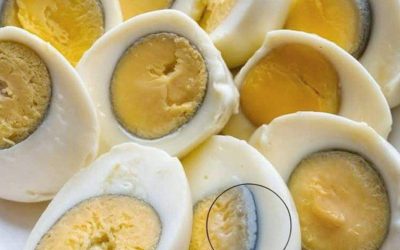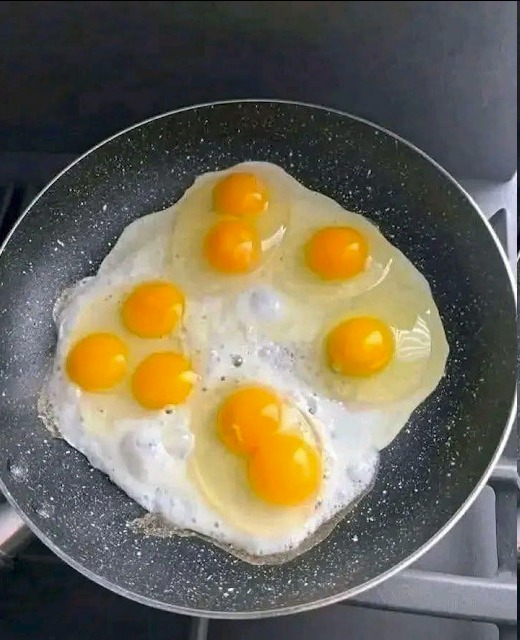
At first glance, it’s just a simple scene: golden yolks glistening in a hot pan, whites gently bubbling at the edges. But look closer, and you’ll realize it’s more than breakfast—it’s a small moment of culinary poetry. A pan filled with eggs invites curiosity, care, and a bit of counting. How many are there, really? And why does it matter?
2. The Science Behind a Perfect Fried Egg
Frying eggs may seem effortless, but it’s a delicate dance of heat and timing. Each egg is a self-contained system of proteins, fats, and water. As heat hits the pan:
The whites (mostly protein and water) begin to turn opaque around 62–65°C.
The yolks, richer in fats and nutrients, thicken more slowly, remaining silky and tender when cooked gently.
When several eggs share one pan, the challenge increases. Heat distribution becomes critical. Too much heat, and the whites crisp before the yolks warm. Too little, and everything turns pale and rubbery. Cooking multiple eggs successfully is a quiet mark of skill.
3. What the Yolk Color Tells You
Those glowing yolks aren’t just visually pleasing. Their color can reveal a lot:
Deep orange or golden yolks often come from hens fed a varied diet rich in carotenoids (greens, corn, insects).
Paler yolks usually indicate a more limited feed.
Nutritionally, eggs are powerhouses—rich in high-quality protein, vitamin D, B12, choline (essential for brain health), and healthy fats. One pan with several eggs isn’t indulgence; it’s nourishment.
4. Counting Eggs: More Than a Numbers Game
So… how many eggs are in the pan?
Kattintson az alábbi „Következő→” gombra az olvasás folytatásához!